Botox treatments remain one of the most widely requested non-surgical cosmetic procedures in the UK. Clinics across Manchester continue seeing demand for wrinkle reduction, forehead treatments, brow lifting, and lower-face Botox procedures. Because of this, many medical professionals and beauty practitioners are now exploring Botox training courses to enter the aesthetics industry.
The academy provides accredited Botox training courses in Manchester for both beginners and experienced practitioners looking to improve their injectable skills.
What Botox Training Includes
Botox training involves much more than learning how to inject product into the skin. The academy teaches:
- patient consultations,
- medical questionnaires,
- consent procedures,
- injection techniques,
- hygiene and safety,
- contraindications,
- and aftercare guidance.
The course also includes practical education on facial danger zones and treatment planning.
Treatment Areas Covered
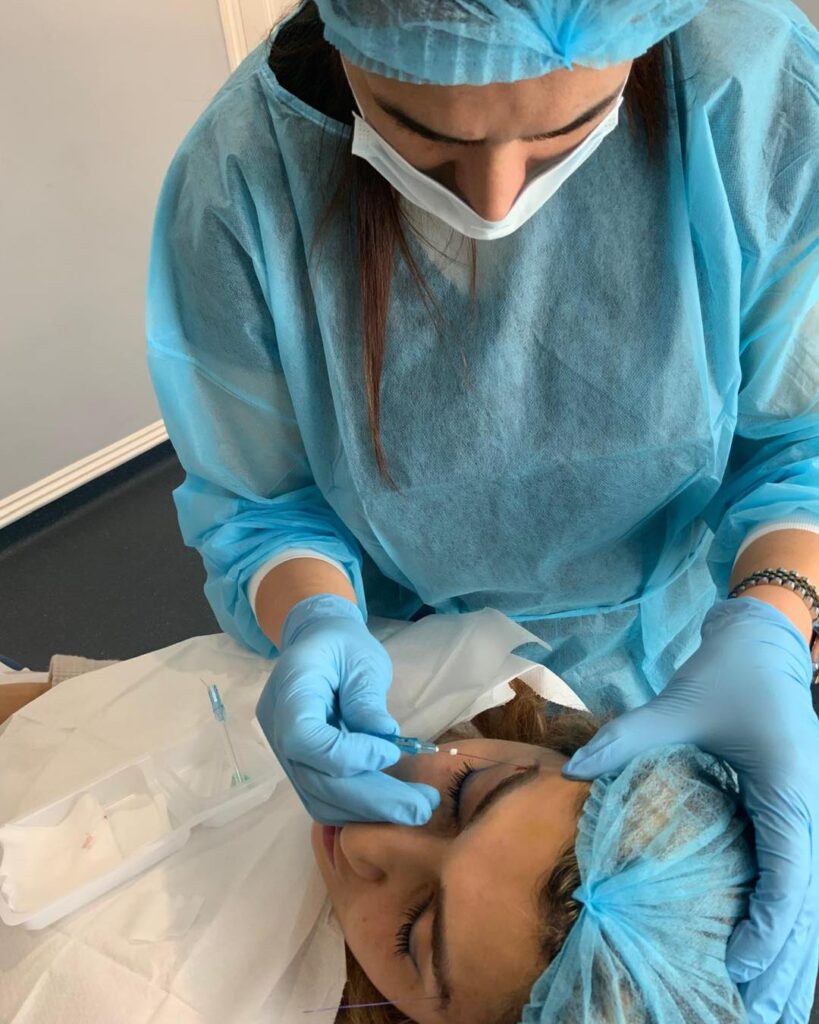
The training routine includes practical work across several facial treatment areas. Training modules include:
- forehead lines,
- frown lines,
- crow’s feet,
- brow lifting,
- lower face Botox,
- and jawline lifting procedures.
These treatments require precision because the procedure works by temporarily relaxing targeted facial muscles.
Students also learn how to create natural-looking outcomes while maintaining facial balance and movement.
The Importance of Practical Training
Many beginner injectors struggle most with confidence during live treatments. Online discussions from aesthetics trainees frequently mention that supervised practical sessions are the most valuable part of Botox education.
Professional Aesthetics Academy highlights:
- small class sizes,
- one-to-one guidance,
- supervised model work,
- and confidence-building teaching methods.
This approach allows students to practice techniques safely under trainer supervision instead of relying only on theoretical learning.
Botox Training Course Prices in Manchester
Professional Aesthetics Academy currently offers:
- One Day Basic Course from £675,
- One Day Advanced Course from £675,
- and Two-Day Basic & Advanced packages from £1200 for medics and £1300 for non-medics or beauty therapists.
The academy also offers combined filler and Botox training options for students looking to build broader injectable skills.
As aesthetics continues growing across Manchester and the UK, structured training classes remain one of the main entry routes into cosmetic injectables. Hands-on education, supervised model practice, and detailed anatomical training continue playing an important role in helping new practitioners build confidence and develop safe clinical techniques.