Starting Strong: Why Foundation Dermal Filler Training Matters
Entering the aesthetics industry requires more than interest—it requires structured education. The Professional Aesthetics Academy offers both foundation and advanced dermal filler training designed to build confidence through hands-on learning.
Foundation training focuses on core principles that every practitioner must understand before progressing.
What foundation training covers:
- Facial anatomy and ageing process
- Patient consultation and assessment
- Safe injection techniques
- Hygiene, safety, and legal considerations
These basics create a strong starting point for delivering safe and effective treatments in real clinical settings.
From Theory to Practice: Hands-On Learning Experience
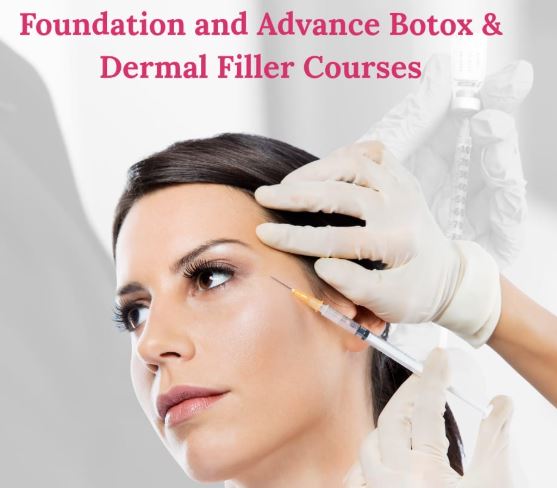
One of the key strengths of Advance Dermal Filler Training in Manchester is the balance between theory and practical application. Trainees are not limited to classroom learning—they actively practice on models under supervision.
Practical learning includes:
- Guided injections on live models
- Real-time feedback from experienced practitioners
- Step-by-step treatment execution
- Before-and-after case understanding
This hands-on structure ensures that learners gain confidence while applying techniques safely in controlled environments.
Core Treatment Areas in Foundation Training
Foundation-level courses introduce practitioners to commonly requested treatment areas. These areas help develop precision and control.
Key areas covered:
- Lip enhancement
- Nasolabial folds
- Marionette lines
- Basic facial contouring
The focus remains on achieving balanced and natural outcomes while maintaining patient safety at every stage.
Advancing Skills: Moving Beyond the Basics
Once the foundation is established, advanced dermal filler training allows practitioners to expand their capabilities. These courses focus on more complex facial areas and refined techniques.
Advanced training focuses on:
- Cheek enhancement and contouring
- Jawline reshaping
- Chin reconstruction
- Treating complex facial structures
Advanced training also introduces practitioners to reshaping and recontouring techniques for more detailed aesthetic outcomes.
Safety, Precision, and Clinical Awareness
Both foundation and advanced courses emphasise safety and clinical awareness. Understanding risks and complications is a critical part of the training process.
Safety elements include:
- Identifying facial danger zones
- Managing complications and side effects
- Understanding contraindications
- Learning corrective procedures like dissolving fillers
This ensures practitioners are prepared not only to perform treatments but also to respond effectively if issues arise.
What Makes This Training Career-Focused
Beyond clinical skills, the aesthetics courses in Manchester also supports long-term career growth.
Career-building elements:
- Understanding client expectations
- Learning consultation techniques
- Building confidence in treatment planning
- Developing knowledge of aesthetics business practices
The academy’s approach is designed to help practitioners build both technical expertise and professional confidence.